Blog
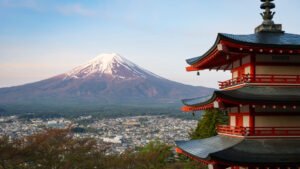
Japan Travel Guide
Japan is a fascinating balance between tradition and modernity, where centuries-old temples coexist with ultra-modern cities, breathtaking natural landscapes and one of the most renowned food cultures in the world. Whether you want to stroll among the temples of Kyoto, immerse yourself in the hustle and bustle of Tokyo, go trekking in the Japanese Alps or admire the wild nature of Hokkaido, Japan is a country like no other, capable of offering something for every type of traveler.
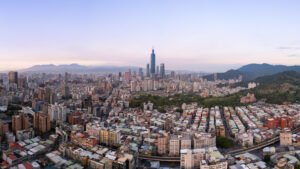
Taiwan Travel Guide
Taiwan strikes the perfect balance between vibrant cities steeped in history and culture, breathtaking natural landscapes, and exceptional cuisine. Whether you want to explore Taipei’s night markets, hike the dramatic gorges of Taroko National Park, or unwind on its pristine beaches, this island has something for every kind of traveler.

Hong Kong Travel Guide
A unique destination where East and West blend in perfect balance: Hong Kong, a modern, safe city that never stops surprising you. With its breathtaking views, unforgettable excursions and a rich, fascinating cultural history, this metropolis has something to offer every traveler.

Brunei Travel Guide
The small sultanate of Brunei is certainly not a must-see destination, but I recommend that anyone spend a few days there if they’re planning to visit the island of Borneo. In fact, if you decide to travel overland, it’s a pretty much unavoidable stop to get from one part of Malaysian Borneo to the other.

Southeast Asia Travel Guide
Some of the most beautiful seas in the world, lots of biodiversity typical of the countries straddling the equator, picturesque landscapes but also lots of culture and excellent food, all topped off with rock-bottom prices and levels of safety far better than in other developing countries.

Philippines Travel Guide
The Philippines is a tropical paradise in Southeast Asia comprising over 7,000 islands. It’s known for breathtaking beaches, crystal clear waters, some of the best diving sites in the world, and the hospitality of the people with whom it’s really easy to communicate since English is one of the official languages. The country also has a rich history and culture influenced by its Spanish and American colonial past.

Cambodia Travel Guide
Cambodia, officially the Kingdom of Cambodia, is often snubbed in favor of other destinations in Southeast Asia, but the country has more than a few interesting ones. Angkor Wat, the largest temple complex in the world as well as the most visited archaeological site in Southeast Asia, the paradise islands in the south of the country, the pristine forests, but also a lot of recent history that unfortunately concerns one of the worst genocides ever. The country really has a lot to offer.

Singapore Travel Guide
Clean, organized, futuristic. The prosperous city-state of Singapore truly feels like another world compared to other Southeast Asian countries. It’s a fascinating and easy destination to explore, perfect for anyone who doesn’t want to deal with the chaos that often characterizes other countries in the region, at the expense, however, of a fairly high cost of living. In fact, Singapore is by no means a cheap destination, especially compared to the countries that surround it.

Tenerife Travel Guide
Tenerife, the largest island of the Canary archipelago, is known mainly for its beaches, resorts and nightlife: at first sight, not exactly my favorite island. I have to admit, though, that it actually has a lot more to offer: the Martian landscapes of Teide National Park, the dense forest of Anaga park, the sheer sea cliffs of the Teno massif and more than a few towns with lots of colonial architecture.

Morocco Travel Guide
Morocco is an affordable and accessible destination, perfect for anyone who wants an introduction to the Arab-Islamic world just a stone’s throw from the old continent. The lively markets, the architecture, the characteristic old towns, but also the variety of landscapes—from the beaches to the Sahara Desert via the High Atlas, with peaks of over 4,000 meters—make Morocco a truly interesting destination.

Gran Canaria Travel Guide
Gran Canaria is a truly incredible island because it really has a bit of everything: colonial-style villages, beaches, almost desert-like areas and, further inland, the mountains and the forest that create an alpine landscape in stark contrast with the coast, just a few kilometers further down.

Majorca Travel Guide
Majorca, the largest island in the Balearic archipelago, thanks to its beautiful beaches, history, culture and loads of possible activities, is undoubtedly one of the most popular destinations not only in Spain but in the entire Mediterranean.

Canary Islands Travel Guide
Whether it’s a backpacking adventure, a road trip or an all-inclusive vacation, in this guide you’ll find plenty of useful tips and ideas to plan your trip as best you can and choose the island, or islands, that suit you best.

La Palma Travel Guide
La Palma is a mountainous island that offers excellent trails for all hiking enthusiasts, lush forests, colonial towns, and a more authentic atmosphere than other more popular Canary Islands.

La Gomera Travel Guide
A short distance from the far more popular Tenerife, La Gomera is the exact opposite: small, with a population of about twenty thousand, it’s largely unspoiled and offers a unique opportunity to anyone who wants to immerse themselves in nature and in particular in the fascinating laurisilva forest that characterizes the Garajonay National Park located in the center of the island.

Lanzarote Travel Guide
Lanzarote, in many ways similar to neighboring Fuerteventura, is characterized by volcanoes and lava fields that give rise to “Martian landscapes” but also beautiful white and golden beaches.

Fuerteventura Travel Guide
Fuerteventura, thanks to its many beaches, excellent year-round weather and great surfing and windsurfing conditions, is undoubtedly one of the best known and most popular islands in the Canary Islands archipelago, especially among Italians.

The best apps for traveling
In this article, I’ve tried to list all the most useful travel apps that I use regularly, that I’ve used, or, in some cases, that I simply tested in order to write this article and make it as complete and informative as possible.

Solutions for obtaining visas and traveling with a one-way ticket
In this article I answer everyone who, over the years, has contacted me through private messages, comments and emails asking one of the following questions, in all its possible variations, about how to travel without a return ticket.

Laos Travel Guide
Maybe it’s because it’s the only landlocked country in the whole region, maybe it’s the absence of one-of-a-kind attractions like Bagan in Myanmar and Angkor Wat in Cambodia, but the fact remains that the country gets a fraction of the tourism the other countries get. Still, I assure you it hides many gems that are absolutely worth seeing.

Myanmar Travel Guide
Myanmar, or Burma, stayed away from mass tourism for years and is now slowly gaining popularity for lots of good reasons, but luckily it still keeps a good dose of authenticity!

India Travel Guide
India, the seventh-largest country in the world by area and the most populous, from the great peaks of the Himalayas in the north to the beaches and jungle of the south, is a place of extreme geographic but also cultural diversity, absolutely unique in the world, offering endless travel possibilities for every taste.

Pakistan Travel Guide
From the incredible hospitality of its people to the second-highest mountain range in the world, the Karakoram, Pakistan is an amazing country that unfortunately doesn’t have the best reputation, but I assure you that after visiting it in person you’ll definitely change your mind.

Nepal Travel Guide
This small, landlocked country located between Tibet and India contains no fewer than eight of the world’s ten highest peaks (including, of course, Mount Everest), the city of Lumbini, birthplace of Gautama Buddha, the founder of Buddhism, and, finally, a truly remarkable cultural heritage.

A guide for Trekking to Everest Base Camp
Trekking to Everest Base Camp in Nepal is undoubtedly a dream for anyone who loves mountains and trekking; for some, it’s a true Mecca.

A guide for Trekking Annapurna Circuit, Annapurna Base Camp and Poon Hill
The Annapurna Circuit, Annapurna Base Camp and Poon Hill Trek in Nepal can be completed back-to-back in a sort of grand circuit (you’ll find all the relevant information below), but they’re three clearly distinct routes that can be completed separately.

Indonesia Travel Guide
Indonesia, with its varied landscapes, ranging from the central mountainous areas through the rice terraces and culminating in its beautiful beaches, not to mention the culture, the many temples and mosques, the excellent surfing and the diving, is without a doubt a spectacular destination.

New Caledonia Travel Guide
A country many people don’t even know where to find, but definitely one of the most beautiful in the world: here, besides stunning beaches, a lush rainforest and an extremely diverse culture, you’ll find the third longest coral reef on the planet!

Australia Travel Guide
Australia, with its vast unspoiled spaces ranging from beautiful beaches to deserts, by way of the rainforest, the famous “outback” and the Great Barrier Reef, is a true paradise for nature lovers, who can see creatures and landscapes found nowhere else in the world here, but also cutting-edge cities.

Thailand Travel Guide
From Buddhist temples, markets and beautiful beaches to the delicious food, Thailand has something to offer for every taste. Over the years I’ve spent about three months backpacking around the country, and in this guide you’ll find a ton of useful information and tips to plan your trip to Thailand as best you can.

Malaysia Travel Guide
Often overlooked in favor of more popular destinations in Southeast Asia, Malaysia actually has far more to offer than people think: from modern Kuala Lumpur to its many national parks, home to species found nowhere else on the planet, to some of the world’s best beaches and dive sites. This country certainly won’t disappoint!

Vietnam Travel Guide
Vietnam was the last country I visited during my long trip through Southeast Asia and, without a doubt, the one that has stayed closest to my heart: the hospitality of the people, the surreal landscapes that change dramatically from north to south, the temples and, last but not least, a cuisine that’s nothing short of delicious.

Patagonia Travel Guide
Divided between Argentina and Chile, Patagonia is a unique place in the world. Here you’ll find the majestic Andes, glaciers, waterfalls, and glacial lakes that make up some of the most beautiful and wild landscapes on this planet.

Backpacking Central America
Whether it’s a two-week trip or one lasting several months, in this article you’ll find lots of useful information and tips to plan your trip to Central America as best you can.

Backpacking South America
Whether it’s a two-week trip or one lasting several months, in this article you’ll find a ton of useful information and tips to help you plan your trip to South America as best you can.

Best Travel Cards for Backpackers in 2026
This article outlines which solutions to choose and why it's essential to minimize these costs. I strongly recommend reading the entire article to understand why I recommend specific accounts and how to avoid various fees, which can extend beyond simply having the right card.

Mexico Travel Guide
This giant North American country covers about 2 million square kilometers and over 10,000 km of coastline. It’s among the 10 most visited countries in the world and has something to offer for every taste: Caribbean beaches, mountains, deserts, ruins, colonial cities and much more.

Guatemala Travel Guide
It’s a country rich in culture, colonial architecture, volcanoes, lakes, dense forests and some of the most impressive Mayan sites in the region, Tikal above all. It can easily be visited in a single trip or even combined with neighboring Mexico and Belize.

El Salvador Travel Guide
El Salvador is the smallest but also the most populous country in Central America. Often skipped even on a long trip through the region, it actually has a lot to offer in every respect: pristine forests, beaches and archaeological sites.

Honduras Travel Guide
Honduras, often a snubbed destination because of its bad reputation for safety, has still managed to make a name for itself among travelers, mostly thanks to Utila and Roatan, the two Caribbean islands that are part of the Bay Islands archipelago.

Nicaragua Travel Guide
Nicaragua was without a doubt my favorite country during my backpacking trip to Central America. Volcanoes, colonial cities, paradise islands and one-of-a-kind activities, all at bargain prices.

Costa Rica Travel Guide
Costa Rica has historically been one of the most visited countries in Central America. It’s a country rich in flora and fauna, beautiful beaches, volcanoes and truly hospitable people, and it boasts one of the oldest democracies in the world, in contrast with the other countries in the region.

Panama Travel Guide
I think many people associate Panama with just the canal and high finance, but the truth is that the country has so much more to offer and is undoubtedly one of the Central American countries that are really emerging when it comes to tourism.

Brazil Travel Guide
Brazil is the largest country in all of South America and the fifth largest in the world. It’s a place where diversity reigns supreme: from metropolises such as São Paulo and Rio de Janeiro, which, as everyone knows, is home to the world’s most famous carnival, to the unspoiled nature of the Amazon rainforest, throwing in dreamy beaches, colonial cities, an unbridled passion for soccer, and incredible people—in short, there’s something for everyone!

Argentina Travel Guide
Argentina has always been one of the most popular countries to visit in South America. From the atmosphere of Buenos Aires, which at times feels very Italian, to natural wonders like Iguazu Falls and the Perito Moreno Glacier in Patagonia, and finally the vineyards of Mendoza and the delicious meat: the country has something to offer everyone.

Paraguay Travel Guide
Paraguay and Bolivia are the only landlocked countries in Latin America. The country is rich in natural resources, and it’s home to the world’s second-largest aquifer: the Guaraní Aquifer.

Uruguay Travel Guide
Uruguay, the second smallest country in South America, is home to some of the continent’s most beautiful beaches and to avid consumers of yerba mate and asados.

Chile Travel Guide
From north to south, Chile measures more than 4,000 km, and at its widest point it barely reaches 240 km. This means it spans at least 7 distinct climates, ranging from the driest desert in the world to the extreme cold of Chilean Patagonia, making it a truly unique country.

Bolivia Travel Guide
Often called the Tibet of the Americas, Bolivia is considered one of the most “remote” countries in the Americas because, along with Paraguay, it’s landlocked.

Peru Travel Guide
From the snowy peaks of the Andes, through beautiful colonial cities and archaeological sites like Machu Picchu (and not only!), to the Amazon rainforest, Peru has something for all tastes.

Ecuador Travel Guide
From the snow-capped peaks of the Andes to the Amazon rainforest, with a few colonial towns along the way. In Ecuador, you’re spoiled for choice!

Colombia Travel Guide
A complete guide to planning your trip to Colombia. What to see, where to go, itineraries, tips and much more.

21 Useful Tips for Solo Travelers
Traveling alone can be unsettling. In this article you’ll find lots of tips for going off on your own and enjoying it to the fullest.

The 40 Best Jobs to Make Money While Traveling
Want to work while traveling? Choose one of these jobs and explore the world with complete freedom! This is the list of the best jobs for making a living while you travel.

Top 10 Tips for Traveling Light
A practical guide full of tips for traveling light and making the most of the advantages that come with it.

Backpacking Safely – Tips and Tricks
Learn how to travel safely anywhere in the world by preparing the right way before you leave and getting around safely while you’re on the road.

40 Budget Tips for Backpackers
All the secrets I’ve learned for traveling on a budget after spending 4 years traveling the world.

Backpacking for Beginners: How to Plan an Affordable Adventure Step-by-Step
A practical guide covering every aspect of a budget trip, with tips and tricks from someone who has traveled for years making the budget a priority.

Best Travel Insurance for Backpackers in 2026
Travel insurance is the most important thing to have before going on a trip, with the hope of never having to use it. It covers medical expenses in case of illness or injury, theft, canceled flights, lost luggage, and, in extreme cases, it will pay for the repatriation of the body. If a family member dies, it will reimburse you for the cost of returning home.

Backpacking Packing Guide: What to Bring & How to Pack It
The ultimate list of things to pack in your backpack for a trip.

Which Daypack to Bring on Your Trip
How to choose the daypack for your day hikes and a list of the best ones.

Travel Backpack: Which One Should You Choose?
Everything you need to know to buy the travel backpack that best suits your needs.

How hostels work – Frequently asked questions
Everything you need to know about hostels. Answers to the most frequently asked questions and tips on how to make the most of hostel life.

How to Choose and Book a Good Hostel
How do you choose a hostel? What makes one hostel better than another? A practical guide to finding a good hostel and using the various booking sites.

How to Save on Flights – The Ultimate Guide
The price of a plane ticket is often the most expensive part of a trip. That’s why investing a little time in searching for a flight can pay off enormously. Learn how to do it the right way.